This Story Behind Home Espresso Machine Is One That Will Haunt You Forever!
Home Espresso Machines A machine that produces espresso makes use of hot water under pressure to force through coffee grounds. It takes a lot of practice to determine the ideal brewing conditions however once you've achieved it, the process is difficult to reverse. The most effective machines have reservoirs or a connection to continuous water supply. They also come with a professional-looking milk wand that can be used to froth. Easy to use Home espresso machines are easy to operate once you get the hang of the brewing process. The espresso machine uses high pressure to force water through tightly packed coffee, producing a concentrated form of the coffee referred to as espresso. The result is an extremely rich, full-bodied beverage with a strong flavor. It also has the characteristic crema that is topped with. With a home espresso machine allows you to create cafe-style drinks like cappuccinos and lattes with the click of the button. It is crucial to select one with two heating elements, such as thermoblocks and boilers if you plan to steam milk for your drinks. This is because making espresso requires that the water be at a specific temperature, steaming milk requires more heat. The majority of espresso machines have reservoirs which store water. This water is then used to make the coffee. Some models are directly connected to a continuous supply of water, which means you don't need to top up a tank each time you use the espresso machine. It's essential to keep your espresso machine clean. A dirty espresso machine produces bad tasting coffee. The best method to ensure that your espresso machine is in good condition is to perform a preventative maintenance routine on a regular basis. Cleansing solutions such as citric vinegar or commercial descaling agents. Easy to clean You can enjoy your cup without the need to purchase takeaway cups. They are also easy to maintain and clean. You can even make an excellent double shot using an espresso machine that you can use at home. It's crucial to choose the best espresso maker for your needs. You can pick from a variety of espresso machines, ranging from basic manual models to fully automated ones. Each has its own advantages and disadvantages. The best choice is based on your budget and the quality of coffee. If you're looking for a coffee maker to make high-quality espressos choose a model that has an adjustable pressure gauge as well as a stainless steel basket. 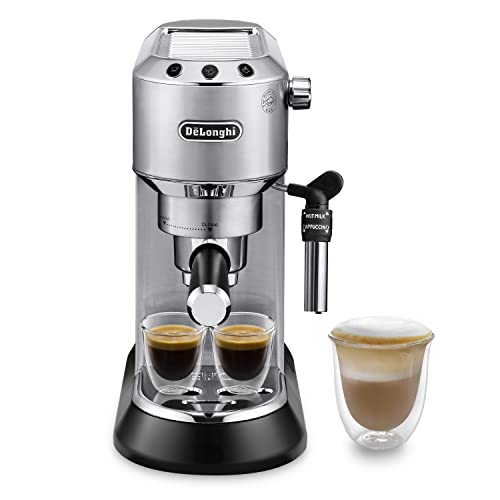 Cleaning and maintaining an espresso machine is important to ensure it works well. A dirty machine can produce sour or bitter-tasting coffee. Use a product for cleaning that is recommended by the manufacturer to avoid this. Also, make sure to check the water hardness in your region so that you know how often you need to wash your machine. To prevent coffee oil build-up It is also recommended to regularly clean the brew container and the brew group. To do this, you need access to the brew group head, which is typically located on the side of the espresso machine or behind the water tank. Backflushing the brewgroup at least once a week will help remove old deposits and oils. This is typically done with a nylon bristle brush, or the Coffee tool, and coffee detergent. Easy to maintain Espresso is a very popular drink throughout the world. espresso coffee machines coffeee.uk can be enjoyed as its own or mixed with a variety cafe drinks like cappuccinos and macchiatos. It can also be added to simmer sauces and marinades. Home espresso machines make it simple for people to enjoy this popular drink. They are simple to maintain and repair. A budget-friendly espresso maker can last for three to five years in the average with regular usage, while the best espresso machines for homes can last for up to a decade. The lifespan of an espresso maker is dependent on its quality, the frequency with which it is used, and how well it is cared for. The pressure required to push water through a densely packed bed of finely ground coffee beans is huge: nine bars of pressure, to be precise 130 psi. This is why early espresso machines had pistons attached to large levers that baristas had to manually pull. The majority of home espresso machines use electric pumps, commonly called vibratory pumps or rotating vein pumps to create the pressure necessary. It is important to know how to troubleshoot the most frequent issues to keep your espresso maker performing at its best. Most often, these issues are a lack of water or a machine that's not heating up properly. If you are having these issues, you need to make sure the machine is connected and that the water tank is filled. Buy Tickets on the internet In this price range you will find a semiautomatic model that is easy-to-use. You can regulate the water flow to ensure consistency. Some models also come with steam wands that can froth milk. Some also make a flat white, which is espresso diluted by hot water. You can also purchase a manual espresso maker with a portafilter and a basket that lets you make coffee from loose leaf beans. If you're looking to get more precise than a semiautomatic model, consider an espresso machine that is fully automated equipped with a grinder built-in and a the brew cycle timer. They let you pick the size of the grind, tamping pressure and temperature of each shot. They also let you dispense the right amount of water and espresso for each drink. They require more effort than manual machines but give you more control and a consistent result. The most effective machines are usually constructed of top-quality materials and are designed to be easily serviced. The most highly rated machines, such as the De'Longhi Stilosa have a removable tank of water for easy cleaning. Wirecutter also rates this model with a high score and it comes with the possibility of a limited warranty. The top espresso machines are more expensive than standard coffee makers, but will give you a more full and rich taste. Additionally, they can help you save money by not having to spend much money at the coffee shop.